

How historical avatars are created
Many of the people we talk about lived long before photography existed. Today, visitors can still meet them as “living” avatars who look into the camera and speak directly to them.
Ideally, there are portraits, paintings or figures we can use as a reference. In many cases, however, only a few clues exist – sometimes a doll, sometimes a small picture in a chapel, sometimes only written descriptions.
Based on these sources and your ideas, we use artificial intelligence to develop an avatar: a person with a face, expressions and clothing that match the period and life story. In this way, speaking characters emerge that make history immediate and emotional.
Katharina Schrempf – from doll figure to speaking avatar
Katharina Schrempf was accused of witchcraft and imprisoned in the Hexenturm in Treysa. She was supposed to be burned at the stake, but was eventually acquitted – also because people in the town stood by her. The local history working group provided us with the image of a doll representing Katharina Schrempf. Step by step, this became the basis for the digital avatar.
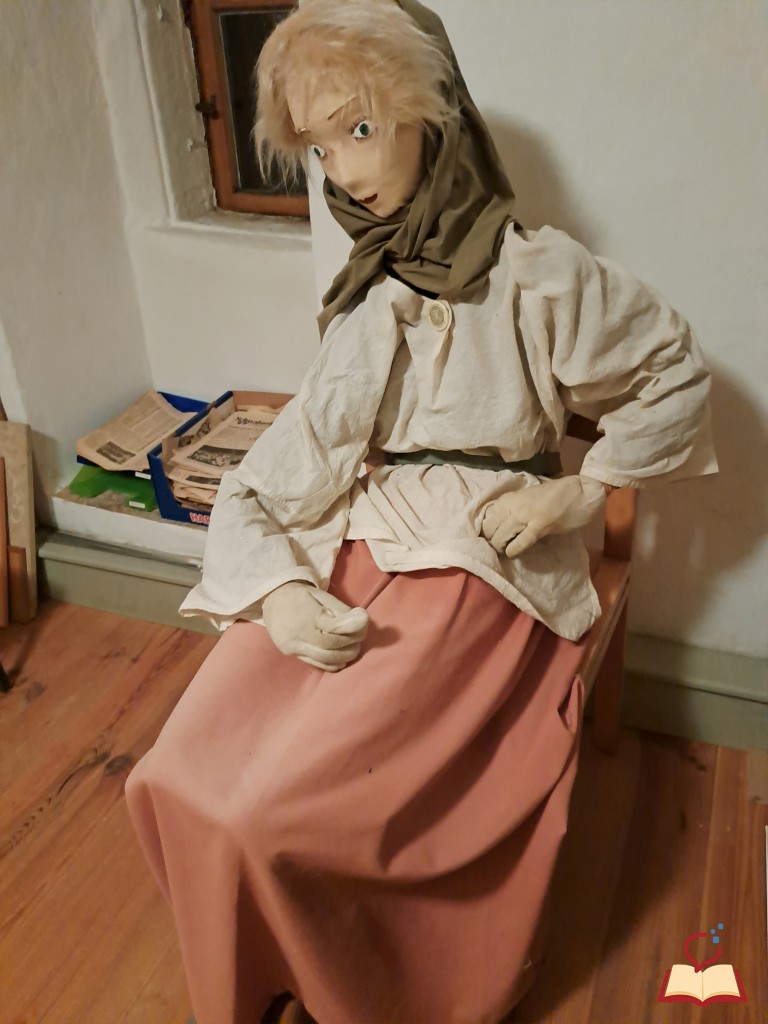
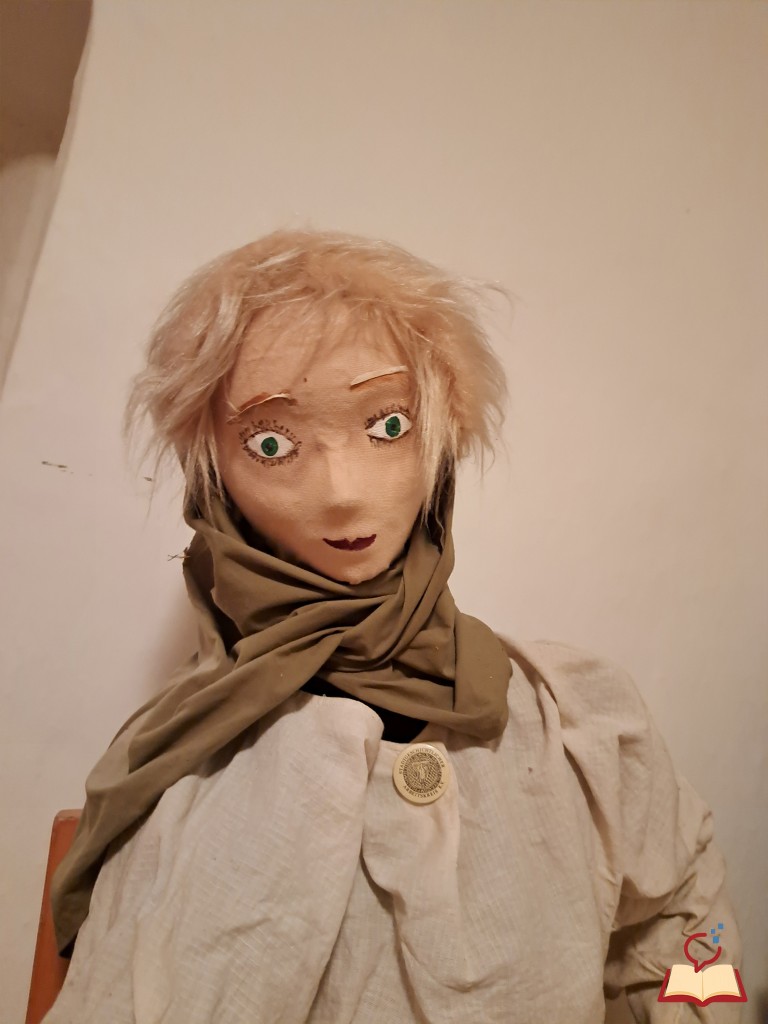

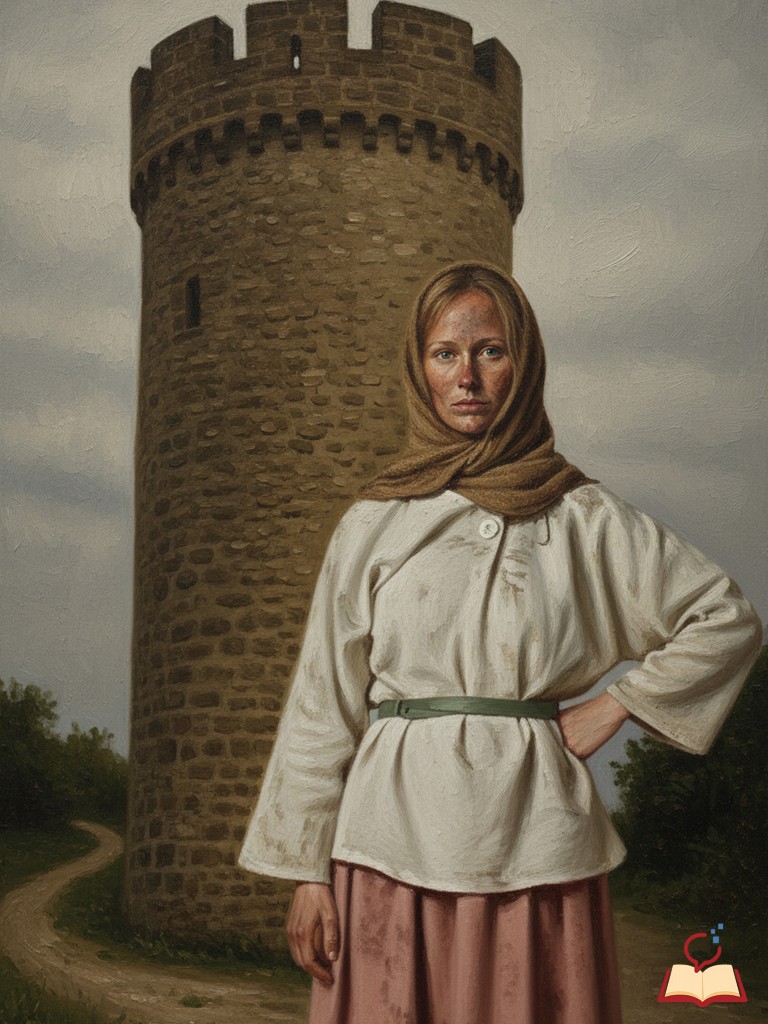
Example avatar clip: Katharina Schrempf tells her story in vertical format – ideal for displays and smartphones.
Elisabeth Vogelsang – from the chapel into the digital space
Elisabeth Vogelsang from Treysa played a key role in the local hospital. In this case, we only had one depiction in the chapel as a starting point. From this single image and the historical information about her life, we created an avatar who can now tell her story on behalf of many others.
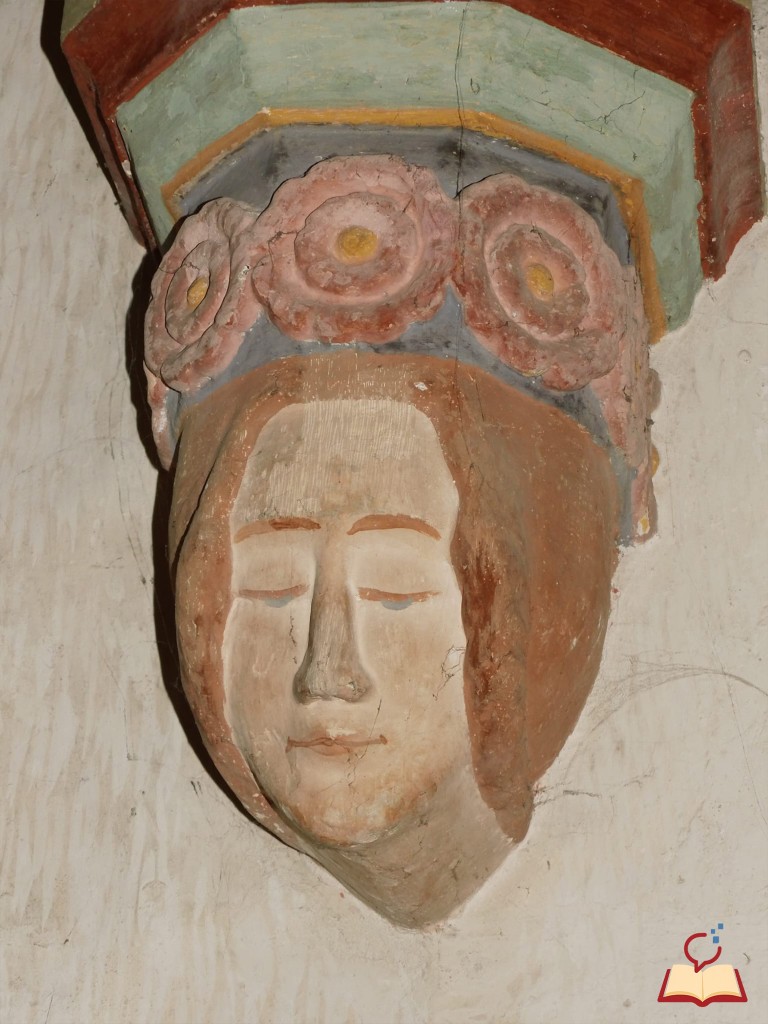
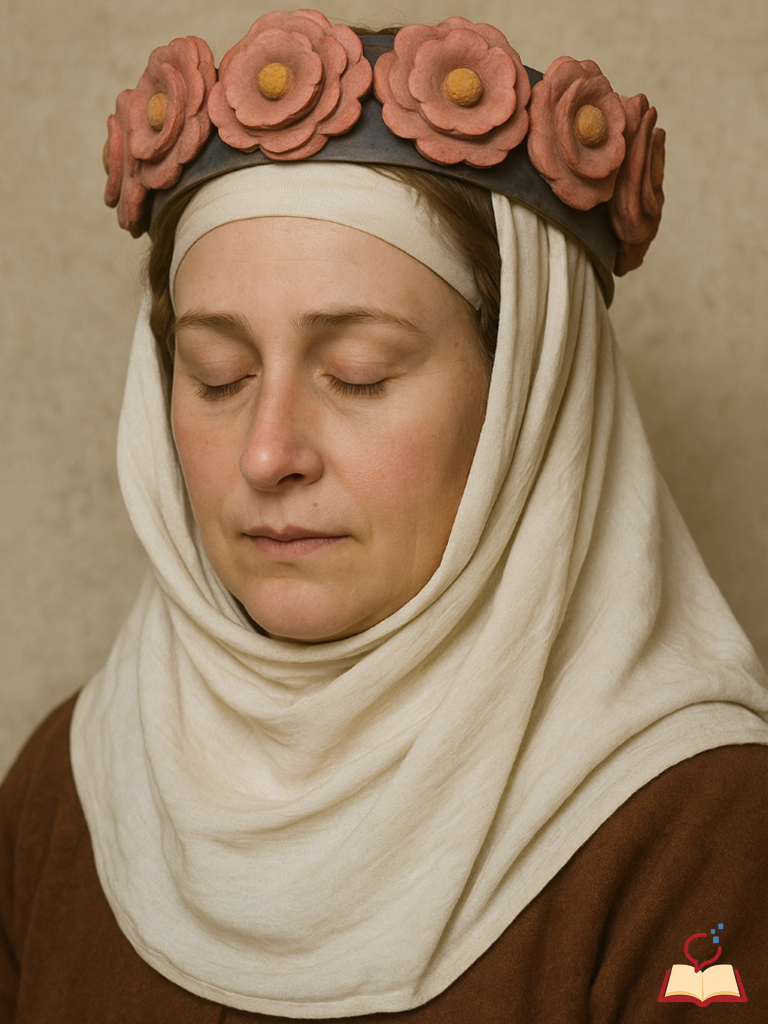
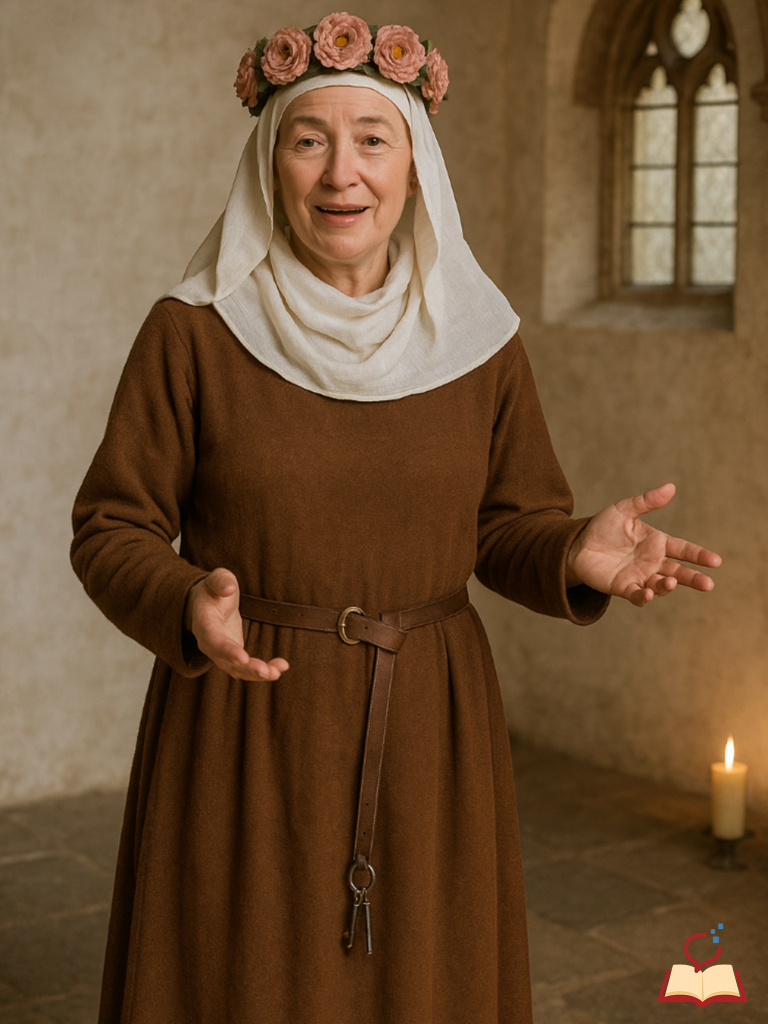
Starting point: depiction in the chapel · Result: speaking avatar for “History talks”.
How to send us material for avatars
To create a convincing avatar, we make use of everything that gives us a picture of the person or the place. Especially helpful are:
- Photos of dolls, statues, paintings or reliefs
- Images of paintings, stained-glass windows or figures in churches/chapels
- Detail photos of clothing, headwear or typical objects
- Short notes about the person: period, role, function, special stories
Simply send your material by email to info@geschichte-erzaehlt.de, via a cloud link (e.g. Nextcloud, OneDrive, Dropbox) or via WeTransfer.
From this material we create an avatar that fits your location, your town and your visitors.